
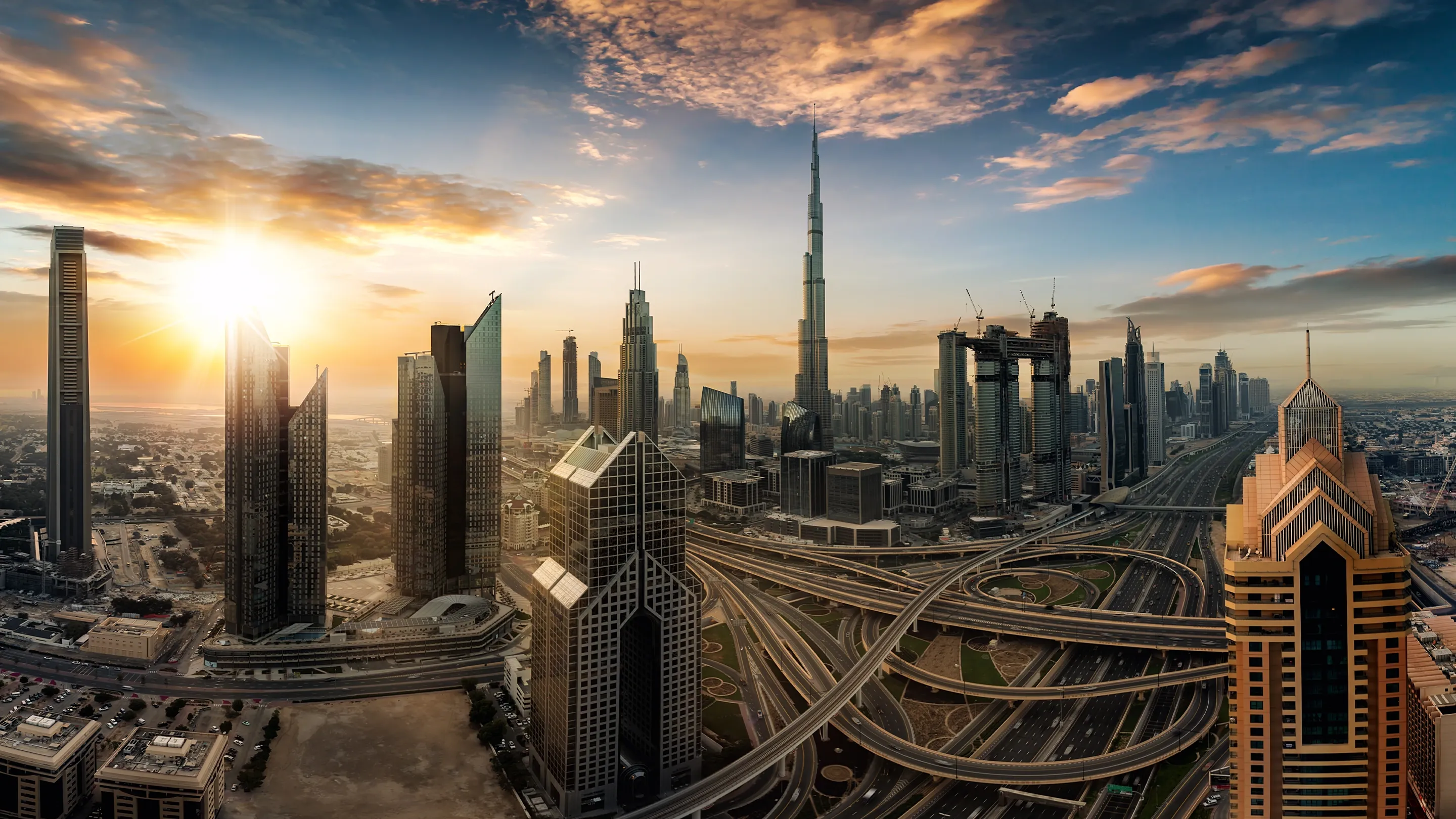

Dubai’s property market has always moved alongside infrastructure growth. What’s changing now is the precision behind it.
The city is no longer expanding randomly outward. It is growing through carefully planned mobility corridors that connect residential districts, commercial hubs, lifestyle destinations, and future communities with far greater efficiency. At the centre of this shift is the expanding Dubai Metro network.
The upcoming Blue Line, expected by 2029, and the proposed Gold Line, targeted for 2032, are reshaping how investors evaluate location, accessibility, and long-term appreciation. For today’s buyers, the conversation is no longer limited to waterfront views or landmark addresses. Connectivity has become a measurable pricing factor.
That shift is redefining how top real estate developers in Dubai approach community planning, investment positioning, and residential demand.
According to a recent Gulf News analysis on Dubai Metro expansion and property value growthUnderline, residential properties connected to metro infrastructure recorded price growth of over 26%, reinforcing how accessibility continues to shape investor demand across the city.
Dubai Metro Infrastructure and Real Estate
Infrastructure has always influenced property markets globally, but Dubai’s metro-led expansion is creating unusually fast ripple effects across residential zones.
Areas connected to current and upcoming metro routes are seeing:
- Stronger rental demand
- Faster lease absorption
- Increased buyer confidence
- Higher long-term appreciation potential
- Greater interest from international investors
Industry analysts tracking Dubai metro infrastructure and real estate trends note that transit-oriented development is increasingly influencing rental yields, tenant demand, and long-term value across emerging districts.
The reasoning is practical.
People want shorter commutes, reduced dependence on cars, easier access to business districts, and communities that support a more connected lifestyle. Investors understand this behaviour shift and are following it closely.
Historically, metro-connected properties across major global cities tend to command stronger resilience during market corrections because transport access remains a long-term urban advantage.
Dubai is now entering a similar maturity phase.
Why Connectivity Is Becoming a Pricing Mechanism
A decade ago, location prestige carried most of the weight in Dubai real estate decisions
Today, accessibility is of equal importance.
Connectivity now directly affects:
- Occupancy rates
- Rental premiums
- Resale liquidity
- Tenant retention
- Daily lifestyle convenience
Properties within a 500-metre radius of new metro stations are projected to witness value appreciation between 22% and 30%, according to infrastructure and property market assessments referenced across Dubai’s transport-led growth studies.
This “metro premium” is becoming particularly visible in communities positioned near future transit corridors.
For investors, that creates a more predictable growth framework.
Instead of speculating purely on future demand, buyers can evaluate infrastructure timelines, projected connectivity improvements, and long-term urban planning commitments already announced by the city.
Dubai Metro Expansion by 2030
The next stage of Dubai Metro growth is substantial in both scale and economic impact
The Blue Line
The Blue Line is expected to span approximately 30 kilometres and improve connectivity between key residential and commercial districts, including:
- Dubai Creek Harbour
- Mirdif
- Dubai Silicon Oasis
- Academic City
- Dubailand corridors
The expansion is designed to reduce travel pressure on existing routes while opening up accessibility across newer growth districts.
This matters because infrastructure often changes how entire communities are perceived
Areas once considered peripheral quickly become viable residential and investment hubs when commute times improve significantly.
The Gold Line
The proposed Gold Line is expected to be even more transformative.
Planned as a 42-kilometre route with 18 stations, the AED 34 billion project is projected to serve nearly 1.5 million residents while improving connectivity across:
- Business Bay
- Meydan
- Global Village corridors
- Jumeirah Golf Estates
- Dubailand-linked districts
According to the same Gulf News infrastructure analysis, metro expansion is no longer viewed as a transport upgrade alone. It is becoming a long-term framework for structuring urban density, economic growth, and residential expansion.
That distinction matters to investors looking beyond short-term appreciation.
Dubai Property Near Metro Stations Continues to Attract Demand
Properties connected to metro infrastructure typically lease faster than those in less accessible areas.
Research referenced in Dubai transport-led market reports suggests connected properties can lease up to 14 days faster due to stronger tenant preference for mobility and convenience
This becomes especially important in Dubai’s evolving rental market where:
- Professionals prioritise commute efficiency
- Families seek connected communities
- International residents value public transport access
- Younger tenants increasingly prefer walkable districts
The effect is already visible in high-demand residential areas connected to existing metro infrastructure.
Future expansion corridors are expected to follow similar patterns.
For buyers considering Dubai property near metro stations, the long-term appeal extends beyond transport. Metro access influences retail growth, dining ecosystems, healthcare accessibility, school connectivity, and overall neighbourhood usability.
That creates stronger lifestyle ecosystems around residential communities.
Apartments Near Dubai Metro Stations Are Becoming Stronger Investment Assets
Apartments near Dubai metro stations are increasingly viewed as stable long-term investments because they combine lifestyle practicality with infrastructure-backed demand.
This is particularly relevant in communities where:
- Residential inventory remains competitively priced
- Rental demand is growing steadily
- Infrastructure investment is expanding
- Community planning supports long-term occupancy
Areas connected to future metro lines often experience early investor movement well before completion because the market typically prices in anticipated accessibility improvements.
This pattern has repeated consistently across infrastructure-led property cycles globally.
In Dubai, metro-linked development also encourages:
- Mixed-use planning
- Retail expansion
- Hospitality growth
- Increased commercial activity
- Higher pedestrian movement
Over time, these factors contribute to stronger neighbourhood maturity and value resilience
What This Means for Emerging Residential Communities
As Dubai expands, communities outside the traditional core are benefiting most from infrastructure-led planning.
Districts connected to future metro corridors are increasingly attracting:
- End-users seeking better lifestyle balance
- Investors targeting rental yield
- International buyers entering Dubai’s property market
- Professionals relocating for long-term residence
This is where thoughtfully planned boutique developments gain stronger relevance.
Projects positioned within connected growth corridors benefit from:
- Improved accessibility
- Greater long-term demand
- Better lifestyle integration
- Infrastructure-supported value growth
Blossom 40 in Majan reflects this broader shift toward connected, wellness-oriented living. Located within Dubai Land’s expanding residential ecosystem, the development benefits from improving infrastructure access, family-oriented planning, and proximity to key growth corridors.
Similarly, Blossom 76 in JVC sits within one of Dubai’s highest transacting residential districts, where connectivity improvements and growing infrastructure investment continue supporting rental demand and long-term investor interest.
For experienced real estate developers in Dubai, infrastructure is no longer a secondary consideration. It is central to how communities are designed, valued, and positioned for the future.
Infrastructure Is Shaping the Next Phase of Dubai Real Estate
Dubai’s metro expansion reflects something larger than transport planning.
It signals a more mature urban development model where infrastructure, community planning, sustainability, mobility, and lifestyle are being aligned together rather than developed independently.
For investors, that creates greater clarity.
The strongest opportunities increasingly sit within communities designed around:
- Long-term accessibility
- Lifestyle convenience
- Sustainable urban planning
- Wellness-oriented environments
- Everyday functionality
As the city moves toward 2030 and beyond, infrastructure-led growth is expected to remain one of the strongest indicators of real estate performance.
And in that environment, connectivity becomes more than convenience.
It becomes value.
FAQs
Why is Dubai Metro expansion important for real estate investors?
Metro expansion improves accessibility, reduces commute dependency, and increases demand for connected communities, which often supports stronger property appreciation and rental yields
How does Dubai metro infrastructure and real estate growth connect?
Transport infrastructure directly affects how communities develop, how quickly properties lease, and how investors evaluate long-term value potential.
Which areas benefit most from Dubai metro expansion by 2030?
Areas linked to the Blue Line and Gold Line, including Dubai Creek Harbour, Mirdif, Dubailand, JVC, and Business Bay corridors, are expected to see stronger accessibility and investor interest.
Are apartments near Dubai metro stations better for rental income?
In many cases, yes. Metro-connected properties often attract stronger tenant demand due to convenience, mobility, and improved lifestyle access.
Why are buyers increasingly choosing Dubai property near metro stations?
Modern buyers prioritise commute efficiency, integrated communities, walkability, and long-term infrastructure planning alongside traditional location preferences.
How are real estate developers in Dubai adapting to metro-led growth?
Developers are increasingly planning communities around connectivity, mixed-use infrastructure, wellness amenities, and long-term liveability rather than standalone residential projects.
Built with thought means understanding how people will live five or ten years from now, not just how they live today.
As Dubai’s metro network continues expanding, the communities positioned around accessibility, wellbeing, and integrated infrastructure are likely to shape the city’s next chapter of residential growth.
Disclaimer: Statistics, infrastructure timelines, projected appreciation figures, and transport expansion plans referenced in this article are based on publicly available reports, market analyses, and government announcements available as of May 2026. Actual project timelines, market performance, and investment outcomes may vary.

Author: Dr. Sharad Nair
Co - Founder & Chairman, Tranquil Developers


