
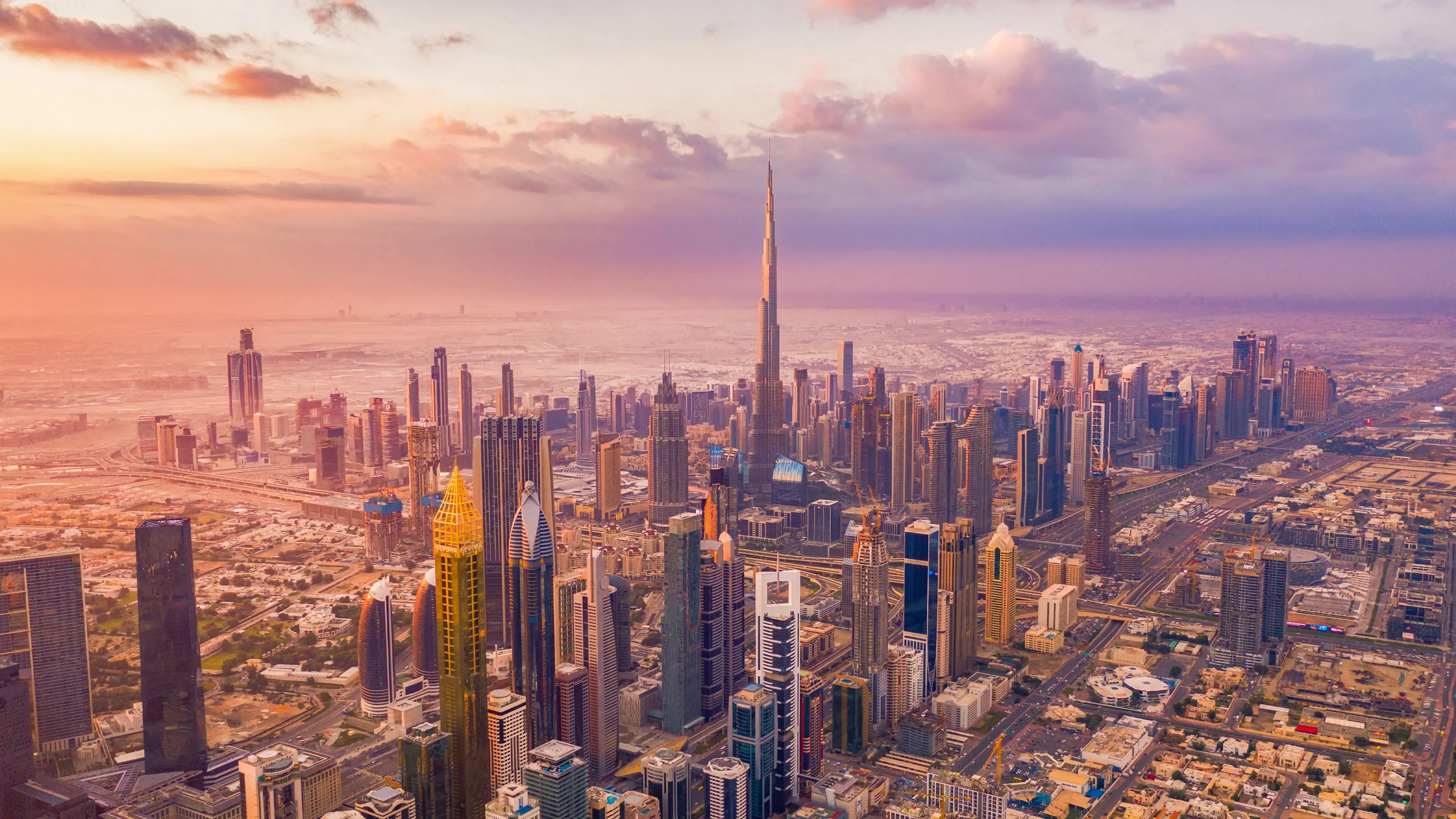

Dubai has spent years building one of the world's most investor-friendly property markets. In 2026, it took another significant step.
The Dubai Land Department has updated the eligibility criteria for the two-year property investor residency visa, making it easier for a wider range of buyers to qualify for UAE residency through property ownership.
Previously, investors applying under the two-year property-linked residency scheme needed to own a property worth at least AED 750,000. Under the revised framework, that minimum property value requirement has been removed for sole owners, opening the door to more investors entering the market through affordable and mid-market property purchases.
For anyone considering investing in Dubai real estate, this update is more than an immigration policy change. It reflects Dubai's continued commitment to attracting long-term investors, residents, entrepreneurs, and professionals from around the world.
What Has Changed in Dubai's Property Investor Visa Rules?
The revised rules were introduced through the Dubai Land Department's Cube platform and significantly expand eligibility for the two-year residency permit.
According to a recent Khaleej Times report on the updated residency visa regulations, the most important change is the removal of the AED 750,000 minimum property value requirement for sole property owners.
Sole Property Owners
Investors who own a completed property in Dubai as the sole owner can now apply for the two-year residency visa regardless of the property's purchase value.
This means investors purchasing:
- Studio apartments
- Entry-level residential units
- Affordable apartments
- Compact investment properties
may now qualify for residency if all other requirements are met.
Joint Property Owners
For jointly owned properties, eligibility requirements remain linked to investment value.
Each owner must hold a minimum share valued at AED 400,000 to qualify independently for the residency visa.
For example:
| Ownership Structure | Minimum Investment Requirement |
|---|---|
| Sole Owner | No minimum property value |
| Joint Ownership | AED 400,000 minimum share per owner |
This creates greater flexibility while maintaining clear investment thresholds for shared ownership arrangements.
Why This Matters for Investors
The change significantly broadens access to residency-linked property ownership.
Previously, some investors purchased property primarily for rental returns while remaining below the residency threshold.
Now, smaller investments can potentially provide both:
- Property ownership
- Residency eligibility
This shift lowers the barrier to entry for international investors who want to establish a long-term presence in Dubai without immediately committing to higher-value assets.
For many buyers, residency creates value beyond the property itself.
It provides:
- Greater mobility
- Easier banking access
- Business opportunities
- Family sponsorship options
- Long-term lifestyle flexibility
For those already considering investing in Dubai real estate, the revised policy strengthens the overall value proposition.
Dubai Property Investor Visa vs Golden Visa
One important distinction remains.
The recent update applies only to the two-year renewable property investor visa.
It does not change eligibility requirements for the UAE Golden Visa.
Dubai Property Investor Visa
- Renewable every two years
- Available through qualifying property ownership
- No minimum property value for sole owners
- AED 400,000 minimum share for joint owners
UAE Golden Visa
- Long-term residency pathway
- Requires a minimum real estate investment of AED 2 million
- Different eligibility framework
- Separate application process
Investors should evaluate which residency route best aligns with their financial objectives and long-term plans.
Dubai Residency Visa Benefits Continue to Attract Global Buyers
Dubai's residency ecosystem has become a major driver of international investment over the past decade.
Property ownership now offers more than capital appreciation and rental income.
A Dubai residency visa provides access to one of the world's most dynamic business and lifestyle environments.
Benefits include:
Long-Term Residency Security
Property owners can maintain legal residency through renewable permits linked to qualifying ownership.
Family Sponsorship Opportunities
Eligible investors may sponsor spouses and dependent family members, subject to applicable regulations.
Business and Banking Convenience
Residents often experience smoother access to:
- Banking services
- Business licensing
- Financial products
- Local administrative services
Tax-Friendly Environment
The UAE continues to attract global investors due to its favourable tax environment and business-friendly regulatory framework.
These advantages contribute to the continued appeal of the UAE property investor visa among international buyers.
Required Documents for a Dubai Property Investor Visa
The application process remains relatively straightforward.
Applicants typically need:
Property Documentation
- Dubai title deed
- Proof of ownership
Identity Documents
- Valid passport
- Emirates ID (if applicable)
- Passport-size photograph
Health Insurance
Medical insurance remains mandatory for residency applications.
Good Conduct Certificate
Applicants must provide a Dubai Police certificate of good conduct addressed to the Dubai Land Department.
Additional Documentation for Mortgaged Properties
Where applicable:
- No Objection Certificate from the bank
- Developer payment statement
- Mortgage status confirmation
According to information published through the Dubai Land Department investor visa platform, applicants must ensure that names across all documents match exactly to avoid processing delays.
How the Application Process Works
The process generally follows four stages:
Step 1: Initial Submission
Submit required documentation through the Dubai Land Department or DLD Cube platform.
Step 2: Preliminary Approval
Authorities review ownership documentation and investor eligibility.
Step 3: Medical Examination
Applicants complete mandatory medical testing.
Step 4: Emirates ID and Residency Issuance
Following successful approval, residency documentation is processed and issued.
Current processing timelines are generally reported to range between 10 and 15 working days, depending on document completion and authority approvals.
What This Means for Dubai's Property Market
The timing of this change is significant.
Dubai's real estate market continues to demonstrate strong momentum.
According to data reported by Khaleej Times on Dubai's Q1 2026 property performance, the emirate recorded AED 138.7 billion in property transactions across more than 44,000 deals during the first quarter of 2026.
Transaction values increased by more than 21% year-on-year, highlighting continued investor confidence and sustained end-user demand.
By reducing residency barriers, Dubai may attract:
- First-time international investors
- Digital entrepreneurs
- Remote professionals
- Retirees
- Mid-market property buyers
The update also supports growing demand for affordable and boutique developments, where investors can now potentially access residency benefits without needing to reach previous investment thresholds.
What This Means for Boutique Developments
The policy change could prove particularly beneficial for thoughtfully designed boutique developments.
Projects such as Blossom 40 in Majan and Blossom76 in JVC reflect the growing demand for quality homes that combine accessibility, investment potential, and lifestyle value.
Because sole owners are no longer restricted by a minimum purchase threshold, investors can focus more on:
- Location quality
- Rental demand
- Community design
- Long-term appreciation
- Lifestyle benefits
rather than purchasing solely to meet a residency requirement.
For many investors, this creates greater flexibility in choosing properties that align with both financial and personal goals.
A More Accessible Path to Investing in Dubai Real Estate
The latest visa update reflects a broader trend in Dubai's growth strategy.
Rather than limiting residency-linked investment to higher-value property purchases, the city is creating greater accessibility for a wider range of investors.
For buyers considering investing in Dubai real estate, this change offers increased flexibility, lower entry barriers, and an additional layer of value attached to property ownership.
As Dubai continues attracting global talent, entrepreneurs, families, and investors, policies like these reinforce its position as one of the world's most accessible and forward-looking property markets.
FAQs
What is the new Dubai property investor visa rule?
Dubai has removed the previous AED 750,000 minimum property value requirement for sole owners applying for the two-year property investor residency visa.
Does the new rule apply to joint property owners?
Yes, but each co-owner must hold a minimum ownership share valued at AED 400,000.
Is the Golden Visa affected by this update?
No. The UAE Golden Visa continues to require a minimum real estate investment of AED 2 million.
Can I qualify for a Dubai residency visa with a studio apartment?
Potentially, yes. If you are the sole owner of a completed property in Dubai and meet the application requirements, there is no longer a minimum property value threshold.
What documents are required for a UAE property investor visa?
Applicants generally need a title deed, passport, health insurance, police clearance certificate, photograph, and any applicable mortgage documentation.
How long does the application process take?
Most applications are processed within 10 to 15 working days, subject to document completion and approvals.
Disclaimer: Visa regulations, eligibility requirements, fees, processing timelines, and residency policies may change based on updates issued by the Dubai Land Department, GDRFA, ICP, and relevant UAE government authorities. Investors should verify the latest requirements before making property or residency decisions.

Author: Dr. Sharad Nair
Co - Founder & Chairman, Tranquil Developers


