
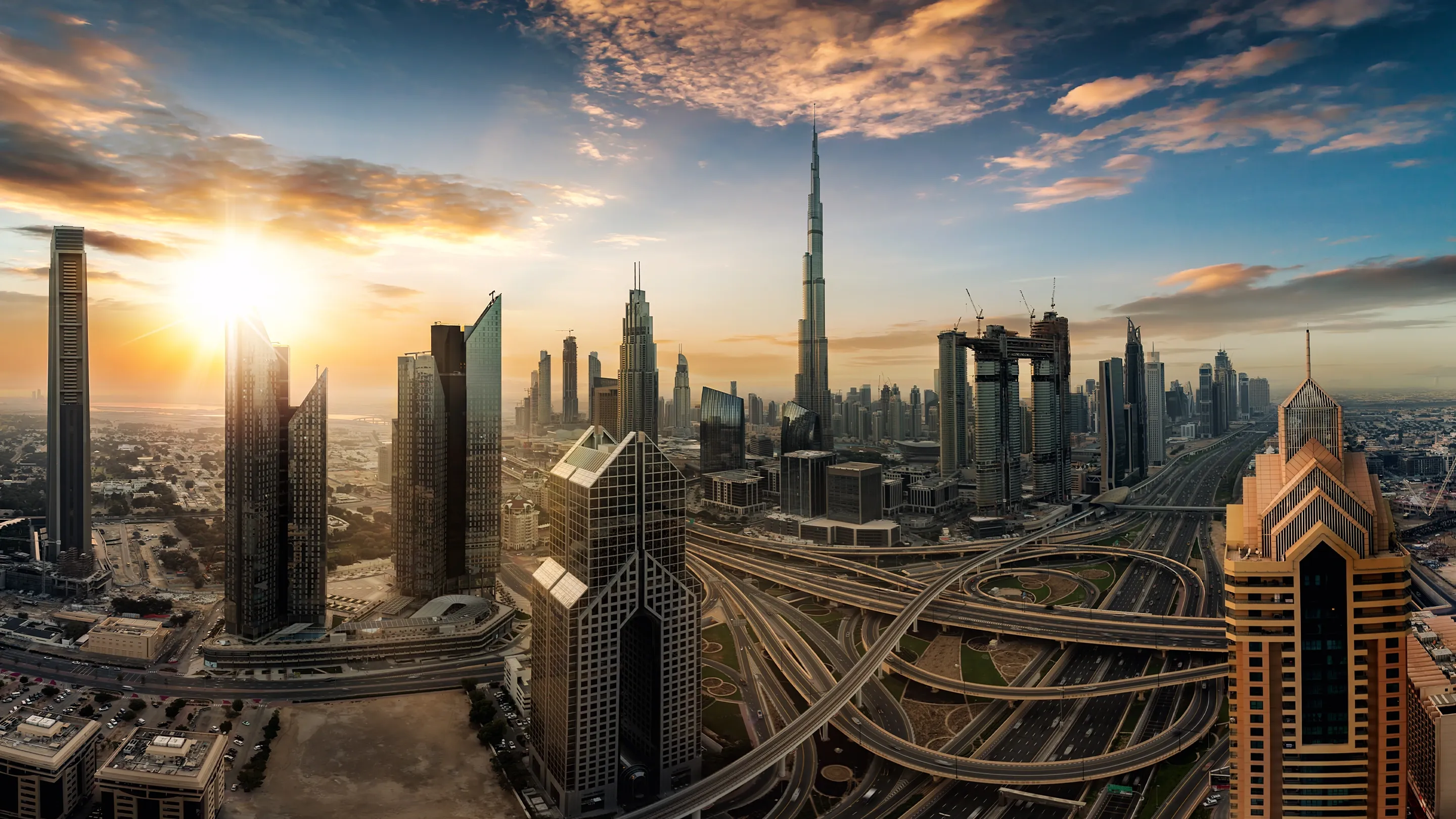

Dubai's property market continues to attract investors from around the world, and for good reason. Population growth, infrastructure expansion, investor-friendly regulations, and sustained demand have kept the market active even amid global economic uncertainty.
One trend stands out in 2026.
While large master-planned communities continue to dominate headlines, many investors are finding stronger returns in smaller, boutique developments.
These standalone projects may not span thousands of acres or include sprawling lagoons and golf courses, but they often outperform larger communities where it matters most: return on investment.
For buyers focused on Dubai real estate investment, understanding why smaller off-plan projects in Dubai can deliver stronger yields and appreciation is becoming increasingly important.
The Shift Towards Boutique Developments
Off-plan sales continue to dominate Dubai's residential market. Industry reports indicate that off-plan transactions accounted for approximately 76% of residential transactions during April 2026, highlighting strong investor confidence in future developments, according to recent market analysis by Property Finder UAE.
While mega communities continue attracting buyers, investor behaviour is becoming more selective.
Many experienced investors are no longer asking which development is the largest.
They're asking:
- What is the entry price?
- How quickly will it appreciate?
- What rental yield can it generate?
- How much competition will exist when I decide to sell?
The answers increasingly favour carefully selected boutique developments.
Off-Plan Projects in Dubai Often Offer Better Entry Pricing
One of the biggest advantages of smaller off-plan projects in Dubai is pricing.
Large master communities often command a significant premium because buyers are paying for established branding, extensive infrastructure, and large-scale marketing appeal.
Boutique developments frequently launch at more competitive rates per square foot.
This lower entry point has a direct impact on investment performance.
Consider two investors purchasing properties of similar future value:
| Factor | Boutique Project | Large Master Community |
|---|---|---|
| Purchase Price | AED 900,000 | AED 1,200,000 |
| Future Value | AED 1,350,000 | AED 1,500,000 |
| Capital Gain | AED 450,000 | AED 300,000 |
| ROI Percentage | 50% | 25% |
The difference isn't always the final value.
Often, it's the price at which the investor enters the market.
For buyers focused on Dubai real estate investment, a lower acquisition cost can significantly improve overall returns.
Flexible Payment Plans Improve Cash-on-Cash Returns
Smaller developers frequently use payment flexibility as a competitive advantage.
Many projects offer:
- Lower booking amounts
- Extended construction-linked payments
- Post-handover payment plans
- Reduced upfront capital commitments
These structures allow investors to preserve liquidity while still participating in Dubai's property growth.
As highlighted in multiple 2026 market reports covering off-plan property in Dubai, post-handover payment plans remain one of the strongest drivers of investor demand because they reduce financial pressure during the ownership cycle.
Rather than tying up large amounts of capital immediately, investors can spread exposure over several years while benefiting from appreciation during construction.
Scarcity Creates Stronger Demand
This is one of the most overlooked drivers of ROI.
In a master community with dozens of towers and thousands of units, your apartment often competes with hundreds of similar properties.
When owners decide to rent or sell, supply can become a challenge.
Boutique developments operate differently.
A project with 50, 100, or 150 residences naturally creates scarcity.
Fewer available units often means:
- Reduced resale competition
- Faster leasing
- Better rental negotiation power
- Stronger buyer interest
Scarcity becomes even more valuable in locations where demand exceeds available inventory.
For investors seeking high ROI properties in Dubai, exclusivity can become a significant advantage.
Off-Plan Property in Dubai Benefits from Faster Appreciation Cycles
Capital appreciation generally occurs throughout the construction period.
As milestones are completed, confidence grows and prices often increase.
Smaller developments can sometimes experience faster appreciation because inventory is absorbed quickly.
When supply is limited, remaining units become more valuable as handover approaches.
Several market studies tracking Dubai's off-plan segment have shown that projects launched during early construction phases often achieve substantial price growth by completion, particularly in locations with strong infrastructure investment and growing residential demand.
This is one reason many investors enter projects during launch phases rather than waiting for handover.
Lower Service Charges Protect Net Yield
Rental yield is only part of the equation.
Net yield matters more.
Large communities often require extensive maintenance budgets due to:
- Community-wide landscaping
- Large recreational facilities
- Water features
- Multiple security systems
- Extensive shared infrastructure
While these features create attractive lifestyles, they can also increase annual service charges.
Smaller developments tend to operate more efficiently.
They often provide:
- Rooftop pools
- Fitness centres
- Wellness amenities
- Community spaces
Without the overhead costs associated with maintaining an entire master-planned ecosystem.
The result is a greater proportion of rental income remaining in the investor's pocket.
High ROI Properties in Dubai Are Often Found in Urban Locations
Location continues to drive performance.
Large master communities typically require significant land, which often places them further from commercial centres.
Boutique developments frequently occupy infill plots within established districts.
This positioning creates advantages.
Residents benefit from proximity to:
- Business districts
- Metro corridors
- Schools
- Retail centres
- Healthcare facilities
- Entertainment destinations
As discussed in a recent Gulf News analysis on infrastructure-led property growth, accessibility is increasingly becoming a measurable component of property value.
Properties connected to infrastructure and employment centres often experience stronger rental demand and faster occupancy.
This trend continues to support high ROI properties in Dubai located within well-connected urban communities.
Why Tenants Prefer Boutique Communities
Tenant behaviour is changing.
Many renters are prioritising:
- Shorter commutes
- Wellness amenities
- Community feel
- Modern layouts
- Lower-density living
Large developments still appeal to many residents, but some tenants increasingly prefer smaller residential environments where amenities feel less crowded and access feels more personal.
This shift supports rental stability and occupancy rates.
Properties that remain occupied consistently often outperform those that depend solely on appreciation.
What Experienced Investors Look For
Investors with multiple properties often evaluate projects differently than first-time buyers.
Rather than focusing exclusively on marketing materials, they typically assess:
Entry Price Versus Future Value
The greater the pricing gap between launch and maturity, the stronger the appreciation opportunity.
Inventory Levels
Limited inventory often supports stronger future demand.
Infrastructure Growth
Connectivity remains one of the strongest predictors of long-term value.
Dubai's ongoing transport expansion continues to influence residential demand patterns, as highlighted by this Dubai Metro infrastructure and real estate report.
Net Rental Yield
Lower service charges and stronger occupancy rates improve long-term profitability.
Developer Track Record
Delivery quality remains critical regardless of project size.
How Blossom 40 and Blossom76 Reflect This Investment Strategy
Tranquil Developers' approach aligns closely with many of the characteristics investors increasingly seek.
Blossom 40 in Majan offers a boutique residential environment focused on thoughtful design, wellness amenities, and connectivity within an established residential district.
Its limited inventory creates a degree of scarcity that larger communities often struggle to achieve.
Residents benefit from:
- Infinity pool
- Fitness facilities
- Wellness-focused amenities
- Proximity to Global Village
- Access to major road networks
- Growing residential demand within Majan
Similarly, Blossom76 in JVC benefits from one of Dubai's strongest-performing residential markets.
JVC continues to attract both investors and tenants due to:
- Strong rental demand
- Established infrastructure
- Competitive pricing
- Growing community maturity
- Planned connectivity improvements
For investors evaluating Dubai real estate investment opportunities, both projects represent the growing appeal of boutique developments designed around liveability, efficiency, and long-term value.
When Master Communities Still Make Sense
This doesn't mean master communities are a poor investment.
They remain attractive for:
- End-users seeking large community ecosystems
- Family-focused lifestyles
- Long-term wealth preservation
- Buyers prioritising established infrastructure
The key is understanding the objective.
If the goal is lifestyle, a large community may be ideal.
If the goal is maximising ROI, a carefully selected boutique development can often offer stronger upside potential.
Built With Thought, Designed for Long-Term Value
Successful investing often comes down to identifying opportunities before they become obvious.
While master communities continue to play an important role in Dubai's property landscape, boutique developments are increasingly demonstrating that scale is not always the strongest driver of returns.
Thoughtful planning, strategic locations, limited inventory, and strong community demand often create a powerful investment combination.
For investors looking beyond headlines and focusing on performance, smaller off-plan projects through reputable real estate developer may offer one of the most compelling opportunities in Dubai's evolving real estate market.
FAQs
Are smaller off-plan projects in Dubai better for investment?
Many investors prefer smaller projects because they often offer lower entry prices, reduced competition, stronger scarcity, and attractive payment structures that can improve returns.
Why does scarcity matter in off-plan property in Dubai?
Limited inventory means fewer comparable units are available for rent or resale, which can support stronger demand and pricing power.
Do boutique developments generate better rental yields?
In many cases, yes. Lower service charges and strong tenant demand can improve net rental yields compared to larger communities.
Are high ROI properties in Dubai always located in major communities?
No. Some of the strongest-performing investments are found in smaller developments located within established urban districts.
What should investors evaluate before buying off-plan?
Focus on developer reputation, location, payment plans, infrastructure growth, inventory levels, projected rental demand, and long-term community appeal.
Is Dubai real estate investment still attractive in 2026?
Dubai continues to attract global investors due to population growth, infrastructure expansion, regulatory transparency, and strong demand across both rental and ownership markets.
Disclaimer: Property values, rental yields, appreciation rates, payment structures, and market performance may vary depending on location, project type, market conditions, and developer execution. Investors should conduct independent due diligence and seek professional advice before making investment decisions.

Author: Dr. Sharad Nair
Co - Founder & Chairman, Tranquil Developers


